Jaipur Travel Guide: Palaces, Forts & Desert Soul
The city wakes before the heat does. Somewhere between the first kettle of chai and the rustle of shop shutters, the palette of Jaipur begins to glow—terracotta walls warming to coral, sunlight catching on lattice windows, the rhythm of a market returning to life. This is the Pink City: regal, approachable, and irresistibly photogenic. But beyond the postcard lies a story layered with astronomy, desert wisdom, and living tradition.
This Jaipur travel guide threads through palaces and forts, street-side flavors and festival drums, to explore the city’s royal heart and desert soul—plus practical details, accessibility notes, and a Jaipur itinerary you can actually use.
At a Glance: Jaipur Quick SummaryTL;DR
- Top sights: Amber Fort, City Palace, Hawa Mahal, Jantar Mantar, Nahargarh, Jal Mahal, Panna Meena ka Kund.
- Best times: Sept–Mar. Go early for forts/facades; late afternoon for palaces/rooftops.
- Must‑try bites: Dal Baati Churma, Laal Maas, Pyaaz ki Kachori, Ghewar.
- Quick etiquette: Ask before photos; modest dress in temples; bargain politely.
- Essential tips: Carry photo ID for e‑tickets; cash for markets; hydrate; respect drone and stepwell rules.
Jaipur Travel Guide: The Pink City’s Plan—and Personality
- Top sights: Amber Fort, City Palace, Hawa Mahal, Jantar Mantar, Nahargarh, Jal Mahal, Panna Meena ka Kund.
- Best times: Sept–Mar. Go early for forts/facades; late afternoon for palaces/rooftops.
- Must‑try bites: Dal Baati Churma, Laal Maas, Pyaaz ki Kachori, Ghewar.
- Quick etiquette: Ask before photos; modest dress in temples; bargain politely.
- Essential tips: Carry photo ID for e‑tickets; cash for markets; hydrate; respect drone and stepwell rules.
Jaipur isn’t just beautiful; it’s brilliantly designed. Founded in 1727 by Maharaja Sawai Jai Singh II, the city was laid out on a grid inspired by ancient Vastu principles—wide avenues, functional bazaars, and neighborhoods organized by craft and trade. Even today, you feel that order as you wander: jewelry lanes run into textile alleys, spice scents drift toward metalware streets, and it all makes sense.
In 2019, UNESCO recognized the walled city as a World Heritage site, praising its blend of Hindu, Mughal, and European design ideals. That rosy hue you see? It dates back to 1876, when the city was painted terracotta pink to welcome the Prince of Wales. The color took, the legend stuck, and the rules remained—facades are still kept to that warm palette, lending Jaipur its signature glow.
Jaipur was planned for life in the desert: breezy corridors, shady courtyards, water‑smart architecture. Beauty here often doubles as engineering.
As a traveler, that translates to comfort. There’s always a quiet stepwell courtyard to cool down in, a shaded arcade to duck beneath. The city’s very design invites you to slow down, look closer, and notice how form and function dance together.
Best Things to Do in Jaipur: Palaces That Tell a Thousand Stories
Jaipur’s palaces aren’t just relics—they’re living museums, family homes, and stages where history still performs. Each one offers a different doorway into the city’s royal narrative.
City Palace: The Heartbeat of Royal Jaipur
Walk through the City Palace and you’re stepping into a layered timeline. Built by Sawai Jai Singh II and expanded by his successors, it’s a masterclass in blended architecture: Rajput curves, Mughal arches, and European touches in proportion and detail.
Start at Mubarak Mahal, once a reception hall and now a costume gallery where silk robes, block‑printed cotton, and embroidered coats bring courtly life into focus. Move on to the Diwan‑i‑Khas, a hall lined with intricate pillars and home to two immense sterling silver urns—the largest silver objects in the world. Commissioned to carry Ganga water for a royal voyage, they’re equal parts ingenuity and devotion.
Make your way to Pritam Niwas Chowk—the Peacock Courtyard—where four ornamental gateways celebrate the seasons. The Peacock Gate’s shimmering blues and greens are a photographer’s obsession, but linger at all four and you’ll catch motifs of monsoon clouds, lotus blooms, and winter suns.
The western edge of the complex, Chandra Mahal, is still a royal residence. The family’s flag waves overhead, and when the Maharaja is in residence, a smaller flag joins it. You can tour the ground floor museum rooms; if you’re curious about royal life today, consider a guide—local storytellers here have a way of making the palace breathe.
Insider tip: Mid‑morning light flatters the courtyards, and a composite ticket often covers nearby sites. Ask at the entrance about multi‑monument passes.
Hawa Mahal: Where the Wind Whispers
From the street, Hawa Mahal looks like an ornate crown perched on the city’s edge. Built in 1799, its five‑tier facade is a honeycomb of 953 tiny windows—jharokhas—designed to funnel breeze and keep the interior cool. Its purpose was practical and cultural: royal women could observe processions below without being seen, a solution both delicate and ingenious.
Most visitors admire it from across the road in the morning, when the sun turns the pink sandstone into molten gold. Step inside to climb narrow ramps and peek through latticed windows: the city becomes a mosaic of colors and motion—a procession of scooters, spice carts, and sari‑clad shoppers, all framed by carved stone.
Don’t rush. Hawa Mahal is less about grand halls and more about the magic of light and airflow. Touch the stone; feel the draft; notice how centuries‑old design cools a desert day.
Jal Mahal: A Palace Between Sky and Water
Drive along Man Sagar Lake at dawn and you’ll meet Jal Mahal, the water palace, suspended between reflection and reality. Birds skim the surface; Aravalli hills rise in mist; and the palace sits serenely, as if Jaipur dreamed it into being overnight. While interior access is typically restricted, the lakeside promenade offers beautiful views—especially at daybreak or in the blue hour.
If you’re curious about water management in a dry landscape, Jal Mahal hints at a larger story. The lake itself has seen restoration efforts over the years, part of Jaipur’s ongoing dialogue with drought and monsoon.
The Mind of a Maharaja: Jantar Mantar
Not a palace, but it belongs here—because Jaipur’s royal story includes science. Just steps from City Palace, Jantar Mantar is an astronomical observatory built in the early 18th century by Sawai Jai Singh II. Nineteen instruments rise from the ground like sculptural puzzles: sundials that measure time to within seconds, hemispherical bowls mapping the sky, zodiac instruments set for celestial observation.
Hire a guide or use an audio app; the brilliance is in the details. Stand in the shadow of the Samrat Yantra, the world’s largest stone sundial, and watch the line of time creep forward. It’s humbling, and a little thrilling, to realize this city’s rulers measured the heavens with such elegance.
Best Things to Do in Jaipur: Forts That Hold the Horizon
Climb out of the city and you’ll find the fort trio that guarded Jaipur’s fortunes for centuries. Each has a distinct personality—romantic, martial, or contemplative—and together they form the skyline you’ll remember long after you leave.
Amber (Amer) Fort: The Golden Citadel
Amber Fort doesn’t just sit on a hill; it commands it. Built largely in the late 16th century, this blend of Rajput and Mughal architecture looks down over Maota Lake, its sandstone and marble glowing at dawn. Enter through Suraj Pol, the Sun Gate, and you’re inside a world where engineering and artistry weave together.
Pause at Ganesh Pol, a gateway washed in delicate frescoes, then step into the Sheesh Mahal—the Mirror Palace—where thousands of inlaid mirrors catch the faintest flame and scatter it into stardust. Nearby, Sukh Niwas reveals desert wisdom: channels carried cool water through the walls, creating a primitive air‑conditioning system.
A local guide once told me to find a quiet corner of the Diwan‑i‑Aam, the Hall of Public Audience, and just listen. Even in the crowd, you can almost hear petitions floating up toward the pillars, decisions echoing across the marble floor.
There’s a network of subterranean tunnels linking Amber Fort to neighboring Jaigarh Fort—a defensive strategy and an escape route. These passageways hint at a kingdom that planned for siege as carefully as it planned for ceremony.
Practical notes: Arrive early, right at opening, to beat the crowds and heat. The ascent can be done by jeep or on foot; many travelers now avoid elephant rides out of concern for animal welfare. Bring water, a hat, and time—you’ll want at least three hours. The evening sound‑and‑light show is a dramatic way to meet the fort’s story.
Jaigarh Fort: The Watcher on the Ridge
Jaigarh is Amber’s steely counterpart, built to protect the palace below. Walk its massive ramparts and you’ll understand its purpose: wide‑angle views of valleys and passes, room for troops to maneuver, an aura that says security before splendor.
Here lives the Jaivana cannon, once the world’s largest wheeled cannon, weighing roughly 50 tons. Whether or not it ever saw battle, its presence is a statement. For military architecture enthusiasts, Jaigarh’s granaries, armories, and water reservoirs offer a practical education in desert defense.
Take your time tracing the walls. The wind here tastes like the hills—dry, resinous, with a hint of pine from the Aravallis. The views are unmissable, especially in the clearer air after the monsoon.
Nahargarh Fort: Where the Sun Sets on the Pink City
If Amber is sunrise, Nahargarh is sunset. Built in 1734, its hilltop perch delivers Jaipur’s most cinematic view. Below, the city stretches in terracotta and white, markets flicker into evening, and as the sky fades, lights switch on in a glittering grid.
Within the fort, Madhavendra Bhawan is the surprise you might not expect—an intimate maze of suites for the king and his queens, connected by curving corridors. Peek into mirrored rooms and frescoed niches; watch how geometry and art twine through everyday life.
The fort’s name carries a legend: it’s said to honor Nahar Singh Bhomia, a spirit who resisted construction until pacified with a temple. Superstition shapes stone more often than we think.
Come late afternoon, linger for twilight. There’s a café for tea, and the western ramparts are where photographers gather as Jaipur turns from coral to star‑studded black.
Desert Culture, Alive and Sizzling
Jaipur isn’t strictly desert, but it’s the capital of Rajasthan, a region defined by arid landscapes and the ingenuity they demand. The city channels that heritage into food, fabric, music, and daily rituals.
A Plateful of Desert Wisdom
Rajasthani cuisine evolved to conserve water, last long, and pack flavor. In Jaipur, the classics are non‑negotiable:
- Dal Baati Churma: Bite into a crusty baati, spoon on ghee‑slick dal, and finish with sweet, crumbly churma. It’s robust, celebratory, and quintessentially local.
- Laal Maas: A fiery red mutton curry with the distinct heat of Mathania chillies. Not every version will blow your head off—ask for spice level, then dive in with bajra roti.
- Pyaaz ki Kachori: A flaky pastry stuffed with spiced onion, best devoured hot with tamarind and mint chutneys.
- Ghewar: A honeycombed disc of sweet, often crowned with malai. During festivals like Teej, it’s everywhere—each shop with its loyalists.
When the sun climbs high, trade the fort ramparts for a slow lunch. This city’s flavors are as much a monument as any palace.
If you like hands‑on food experiences, look for traditional cooking classes hosted in family homes or heritage havelis. Watching dal simmer in heavy‑bottomed pots or learning how to puff up a roti on open flame is a memory that outlasts any restaurant bill.
Color You Can Wear
Jaipur’s fabric scene reads like a love letter to color. Bandhani (tie‑dye) creates starry constellations on cotton; Leheriya (wave patterns) turns scarves into monsoon poetry. Sanganer and Bagru, on the city’s outskirts, are hubs for hand block printing. Spend a morning at a workshop and you’ll stamp wooden blocks into fabric, rinse dye in a courtyard channel, and leave with your own pattern—and a new appreciation for the craft.
Then there’s blue pottery: low‑fired, glazed, and quartz‑based, with floral vines in cobalt and turquoise. In small studios, artisans draw steady lines freehand; the discipline is mesmerizing. Ask politely before photographing, and consider buying directly—your souvenir becomes someone’s rent and the craft’s future.
Music, Dance, and Stories That Travel on the Wind
Rajasthan’s folk arts were born for open skies. Ghoomar’s elegant spins imitate flowing river water, while Kalbelia’s sinuous movement pays tribute to the community of traditional snake charmers. Add dholak beats, the mournful notes of the algoza, and a puppeteer’s comedic wisdom, and you have an evening that needs no translation.
In Jaipur, you’ll find cultural nights at havelis and museums; some hotels host folk troupes in courtyards. Chokhi Dhani, a themed village on the city’s outskirts, offers a buffet of performances and food. It’s undeniably staged, but for families or first‑timers, it can be a fun sampler. If you prefer something more intimate, look for smaller acoustic gatherings or NGO‑led shows where artisans introduce their own villages and songs.
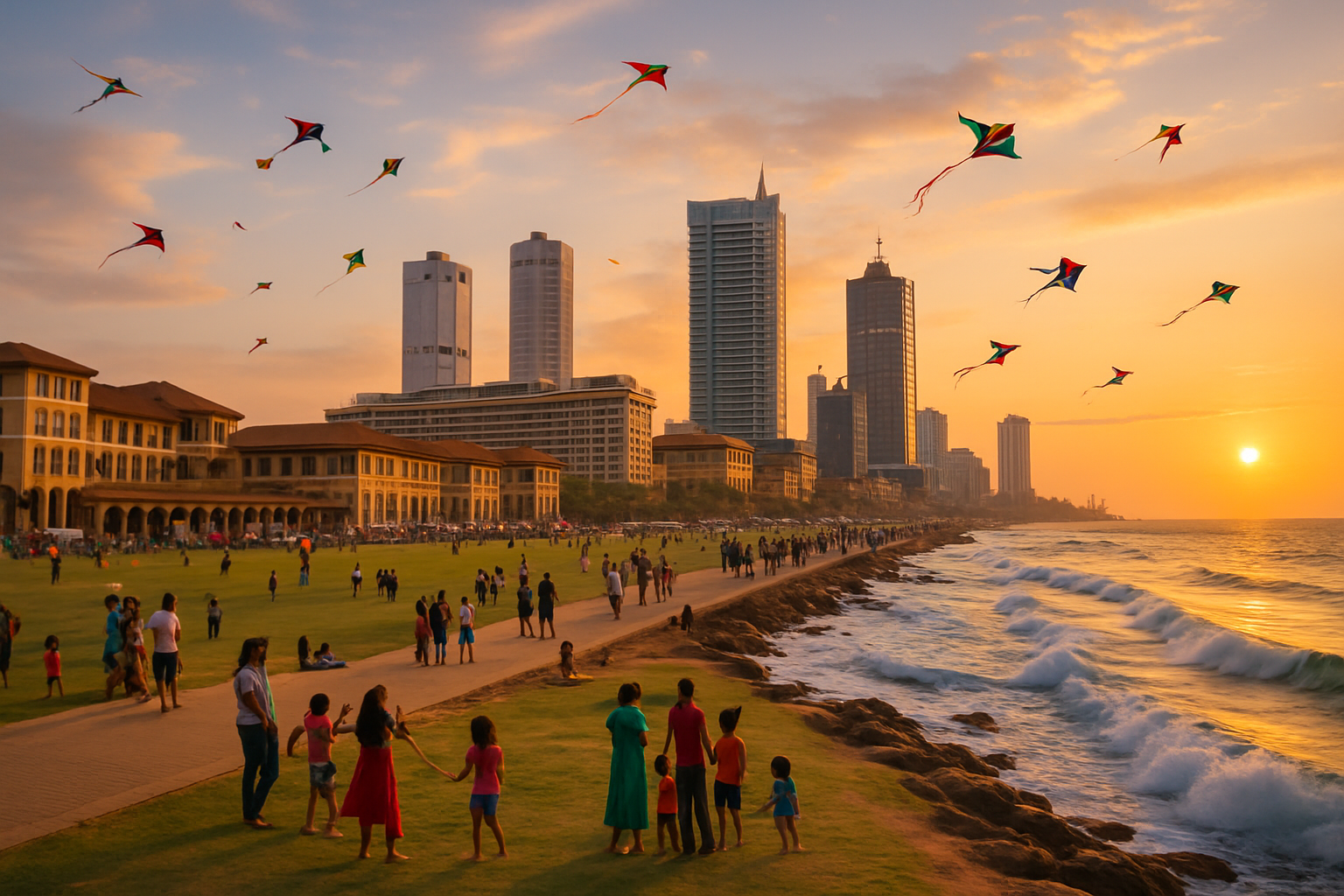
Festivals amplify it all. January’s Jaipur Literature Festival fills palace lawns with debates and bookish chatter; Makar Sankranti in mid‑January pulls the whole city onto rooftops to duel with kites; Teej in the monsoon paints processions in green and gold. Time your trip around one of these and you’ll meet the city at full volume.
Markets That Still Make Things
Johari Bazaar glitters—literally. Kundan and meenakari jewelry fill window displays with delicate fireworks, and in hidden workshops, goldsmiths coax luster from metal and stone. Bapu Bazaar is your stop for textiles and leather mojari shoes, their curved toes curling like mustaches. Tripolia Bazaar’s lac bangles stack the rainbow, while ironware clangs from doorways.
Bargain with a smile and some patience. It’s part theater, part commerce. Agree on a price you’re happy with, keep small change handy, and remember that an extra few rupees can make a meaningful difference to a vendor’s day.
Desert Architecture as Climate Strategy
Once you notice it, you’ll see it everywhere: Jaipur’s buildings are tuned to their environment. Jaali screens diffuse sun and invite wind; thick walls hold coolth after a desert night; inward‑facing courtyards create sheltered microclimates. Hawa Mahal’s 953 jharokhas are not only beautiful—they’re a ventilation system.
Water, scarce and sacred, is both stored and celebrated. Stepwells—baoris or kunds—are stair‑stepped geometries that drop into the earth, collecting rain and groundwater. Near Amber Fort, Panna Meena ka Kund is a photogenic example: zigzagging staircases, symmetrical lines, a frescoed shrine watching over all. Visit in the early morning to catch quiet reflections. Note: stepping onto the stairways is currently restricted by local authorities; admire from the edge unless access is clearly permitted.
This is a city where engineering solutions wear jewelry. The more you look, the smarter the beauty becomes.
Planning Your Jaipur Journey
Jaipur can be a whirlwind if you try to do everything at once. Here’s a way to savor it without sprinting.
When to Go
- Best season: September to March, when days are pleasant and evenings cool. January can be nippy; April and May climb toward hot; June to August bring the monsoon’s relief and occasional downpours.
- Best times of day: Early mornings for forts and facades; late afternoons for palaces and rooftops; midday for museums or shaded markets.
Getting Around
Rideshares (app‑based taxis), auto‑rickshaws, and local taxis are easy to find. For Amber, jeeps are an efficient way up the hill. Many sites are clustered in or near the old city, so you can pair them smartly to save energy. If you’re short on time, consider hiring a licensed guide‑cum‑driver for a day; they’ll plot a route that dodges traffic and queues.
Accessibility snapshot: Jantar Mantar is largely flat; City Palace has ramps in some areas; Hawa Mahal and the forts involve stairs, narrow passages, and uneven stone. Wheelchair access is limited at hill forts and stepwells.
Tickets and Tech
Look for composite or multi‑site tickets that cover major monuments—it simplifies lines and can save money. Several sites support online ticketing, and audio guide apps are increasingly available. Amber Fort has experimented with AR/VR experiences that reconstruct historical scenes; when they’re on, they’re worth a try.
Carry a photo ID; it’s sometimes required with tickets or to validate e‑bookings. Keep some cash for small markets, but cards and UPI are widely used.
Drones: Most monuments (especially ASI‑protected sites and areas near the airport) are no‑fly zones without prior permits. Don’t launch a drone unless you have written authorization.
Hours, Tickets & Accessibility: At‑a‑Glance
Typical hours and prices change occasionally—treat these as helpful ranges and verify locally:
- City Palace Museum: ~9:30 AM–5:00 PM. Tickets: INR 200–300 (Indian), INR 700–1,000 (foreign). Special museum rooms/royal tours cost extra. Partial ramp access; some courtyards uneven.
- Hawa Mahal: ~9:00 AM–5:30 PM. Tickets: INR 50–100 (Indian), INR 200–300 (foreign). Narrow ramps/stairs inside; not wheelchair‑friendly.
- Jantar Mantar: ~9:00 AM–5:00 PM. Tickets: INR 50–100 (Indian), INR 200–300 (foreign). Mostly level pathways; shade limited.
- Amber (Amer) Fort: ~8:00 AM–5:30 PM; sound‑and‑light show in the evening. Tickets: INR 100–200 (Indian), INR 550–700 (foreign). Steep inclines, stairs, cobblestones; jeeps available to upper gates.
- Jaigarh Fort: ~9:00 AM–4:30/5:00 PM. Tickets: INR 50–100 (Indian), INR 150–200 (foreign). Long walks on ramparts; uneven surfaces.
- Nahargarh Fort: ~10:00 AM–5:30 PM for museum areas; sunset views extend later on the ramparts/café zone. Tickets: INR 50–100 (Indian), INR 200–300 (foreign). Many stairs; limited accessibility.
- Jal Mahal: Viewpoint only; promenade access at all hours. No interior entry for general public.
- Panna Meena ka Kund: Dawn to dusk; free. Stair access often restricted—check on arrival. Uneven stone around the perimeter.
- Albert Hall Museum (if you go): ~9:00 AM–5:00 PM. Tickets: INR 40–100 (Indian), INR 300–400 (foreign). Night illumination some evenings.
- Composite tickets: Department passes often bundle Hawa Mahal, Jantar Mantar, Amber, Nahargarh, Albert Hall, etc. Expect ~INR 300–400 (Indian), ~INR 1,000–1,200 (foreign).
Jaipur Itinerary: 2–3 Days (Suggested 2.5‑Day Plan)
Day 1: Old City Orientation
- Sunrise at Hawa Mahal’s facade. Grab chai from a nearby stall and watch the city stretch awake.
- City Palace and Jantar Mantar mid‑morning. Take breaks in shady courtyards; let the instruments at Jantar Mantar sink in with a guide.
- Lunch in the old city—try a thali to sample broadly.
- Afternoon market stroll: Johari and Bapu Bazaar. End with a sunset visit to the Albert Hall Museum lawn, where pigeons loop through the sky and the Indo‑Saracenic building glows.
Day 2: Forts and Hills
- Early start to Amber Fort. Explore Sheesh Mahal, Sukh Niwas, and quiet arcs of the ramparts.
- Late morning at Panna Meena ka Kund for a short, photogenic stop.
- Continue to Jaigarh for military history and long views; lunch at a simple hilltop café.
- Late afternoon to Nahargarh. Explore Madhavendra Bhawan, then settle in for the sunset panorama.
Day 3: Crafts and Water
- Dawn at Jal Mahal for reflections and birdlife.
- Late morning workshop: block printing in Bagru or blue pottery in a local studio.
- Afternoon free for a cooking class or a relaxed cultural performance. If you’re curious about Patrika Gate’s rainbow arches at Jawahar Circle, arrive early to avoid crowds and get that symmetrical shot.
Swap days as needed, and fold in festivals if your dates align. If your trip is shorter, compress Day 3 or skip Jaigarh; if longer, add a day trip to Abhaneri’s Chand Baori stepwell or to Sanganer’s paper‑making workshops.
Comfort and Etiquette
- Hydration: Carry a reusable bottle and refill at your hotel or trusted cafés; consider electrolyte packets on hot days. Wear a hat and light, breathable clothing.
- Dress: Modest attire is appreciated, especially in temples and traditional spaces. A scarf can be handy.
- Photography: Always ask before photographing people. In markets, it’s courteous to engage or buy if you’re making portraits.
- Temples: Shoes off at entrances, shoulders and knees covered; be mindful around rituals.
- Markets: Bargain politely; if the price feels unfair, walk away with a smile.
Safety and Savvy
Jaipur is generally welcoming and traveler‑friendly. Standard common sense goes a long way.
- Transport: Use registered or app‑based taxis; avoid unmarked late‑night rides.
- Solo travel: Share your itinerary with someone back home, and trust your instincts.
- Scams: Beware of “special gemstone” deals or unsolicited “official guides.” Stick to licensed guides from monument gates or reputable agencies.
- Valuables: Keep them close in crowded markets; pickpocketing is rare but possible.
- Animals: Choose ethical experiences—skip elephant rides; opt for jeep/walking tours or animal‑welfare‑vetted sanctuaries instead.
Jaipur rewards early risers and curious minds. The more gently you move through it, the more it reveals.
Beyond the Postcard: Authentic Encounters
What turns a trip into a story is often a small moment: a potter teaching you how clay remembers pressure; a chai break in a haveli courtyard while parrots argue in the neem tree; a kite‑string tutorial from a teenager on his rooftop.
If you’re looking to deepen those moments, consider community‑led walking tours that fund heritage conservation or artisan livelihoods. Some NGOs host night markets and folk evenings where performers introduce their craft rather than just perform it. Heritage homestays can lead you to the city’s quiet corners—morning vegetable markets, local sweet shops that sell out by 10 a.m., neighborhood temples where bells ring at sunrise.
Prefer a dose of nature? While Jaipur itself isn’t a dune town, rural edges of the region offer camel cart rides at sunset, far from the neon of tourist strips. Choose operators who keep group sizes small and prioritize animal welfare.
And don’t skip the little detours: a hidden rooftop café opposite Hawa Mahal that frames its facade like a stage; the scent of cardamom drifting from a spice shop in Tripolia; the calm geometry of a baori when the noon sun sharpens every line.
The City Behind the Camera
Social media hasn’t missed Jaipur. Patrika Gate—those kaleidoscopic arches at Jawahar Circle—went from local pride to global feed in a blink. Hawa Mahal’s morning glow, the City Palace peacock gate, the Amber Fort reflection in Maota Lake: they all deserve their fame.
But your most treasured photos might be the ones nobody expects: a craftsman’s hands stained indigo; the pattern of shadows on Jantar Mantar’s curves at midday; a thali leaf plate, empty but gleaming with ghee.
If you’re shooting for memory and meaning, pair the iconic with the intimate. Take the postcard; then turn around and catch the city winking at you.
Why Jaipur Sticks
Every traveler I’ve met who fell for Jaipur tells a version of the same story. They came for the palaces and forts—and those are everything the guides promise. Amber’s mirrors remember a thousand lamps. City Palace still breathes. Nahargarh wraps a sunset around you like a shawl.
But what brought them back was a conversation in a market, a joke shared at a tea stall, a lesson in how to tie a pagri. Jaipur’s genius isn’t only in stone; it’s in the people who keep its traditions alive, selling bangles in Tripolia or carving blocks in Bagru, feeding guests until they can’t refuse another spoon of churma.
The city is both archive and experiment. Restoration projects glitter at Amber; tech nudges at Jantar Mantar; eco‑conscious tours whisper new futures. Tourism isn’t just sightseeing here; it’s a web of livelihoods. Choosing thoughtfully—the local guide, the artisan workshop, the community performance—lets your rupees do something good.
A Few Final Nudges
- Start your days early. Jaipur wakes beautifully.
- Plan light but leave space for serendipity. A “quick stop” often becomes your favorite hour.
- Mix the grand with the ground‑level: one palace, one craft, one quiet lane.
Stand at Nahargarh as the city lights come on. Listen for the heartbeat that’s part drum, part diesel, part temple bell. Somewhere below, a chef stirs dal; somewhere above, a sundial marks a silent second. That’s Jaipur: palaces and forts, yes, but also wind and water, salt and story.
Go gently, look closely, and let the Pink City color in your memory long after the dust has left your shoes.
FAQ: Jaipur Travel Guide
-
What’s the best time to visit Jaipur? September to March. Mornings are ideal for forts and facades; late afternoons for palaces and rooftops. January can be chilly; April–May get hot; monsoon (Jun–Aug) brings relief and sporadic downpours.
-
How many days do I need in Jaipur? Two full days cover highlights; 2.5–3 days let you add workshops, performances, and slower markets. Use the Jaipur itinerary above to mix icons with hands‑on experiences.
-
Are elephant rides at Amber Fort ethical? Many travelers now avoid them due to animal welfare concerns. Choose jeeps, e‑rickshaws, or walk; it’s kinder and often faster.
-
Can I fly a drone at Jaipur’s monuments? Generally no. Most heritage sites are no‑fly zones without prior permits. When in doubt, don’t launch.
-
Is Jaipur safe for solo travelers? Broadly yes. Use registered rides, avoid isolated lanes late at night, and trust your instincts. Dress modestly and be firm but polite with persistent touts.