Little Africa: Stones of Freedom
Walk Rio’s port through archaeology, resistance, and Black community memory
- Rio de Janeiro, Brazil
- 10 stops
- 131 min
- 3.5 km
- History
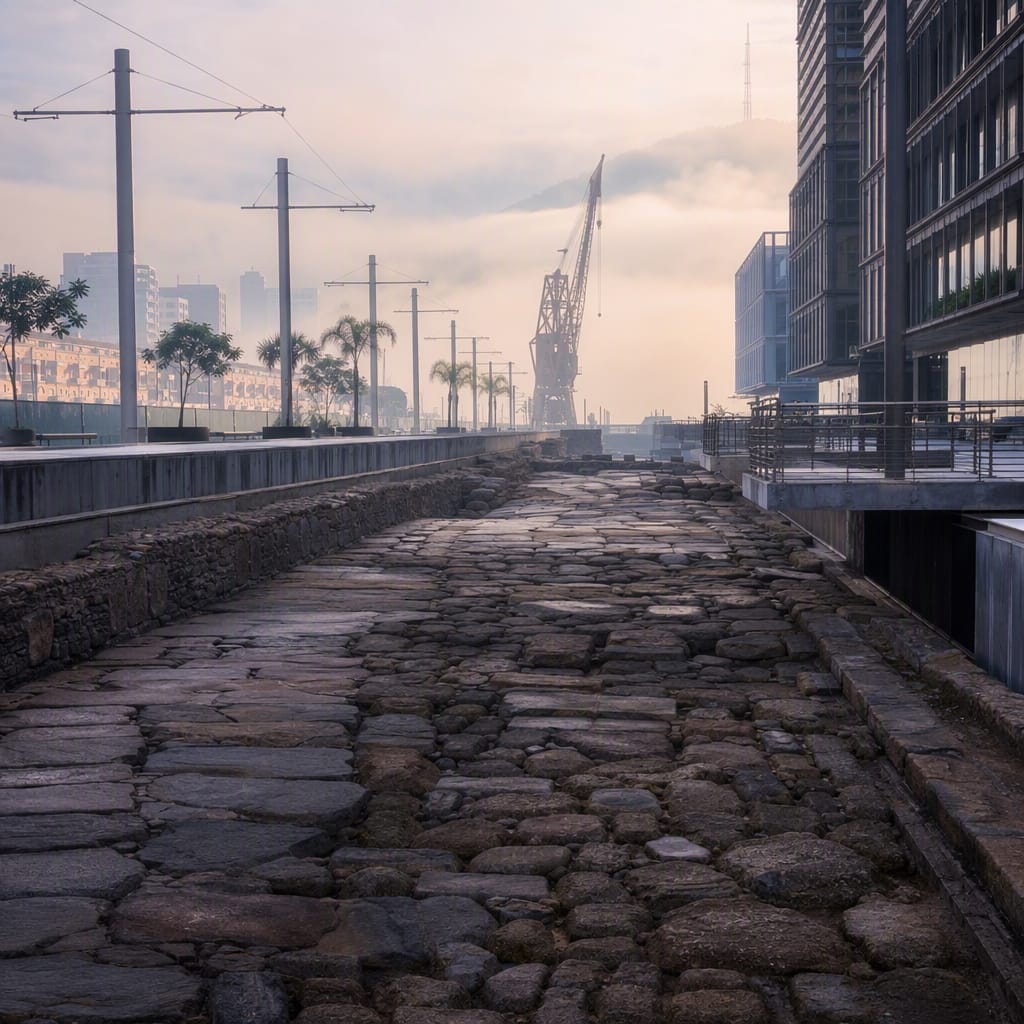
Try the first stop

Igreja do Rosário
A Black brotherhood church reveals collective care, faith, and institution-building under enslavement.
Begin with a powerful reminder that Africans and Afro-Brazilians built institutions even under brutal restrictions. The Black brotherhood associated with this church supported worship, burials, mutual aid, and sometimes manumission. Its reconstructed interior also tells a story of survival after a devastating fire erased much of the historic fabric.
The route
10 stops, in order.
- Stop 1 · Free sample
Igreja do Rosário
A Black brotherhood church reveals collective care, faith, and institution-building under enslavement.
 Stop 2
São Francisco da Prainha
A former shoreline church anchors the docks, labor, and African-descended communities of old Rio.
 Stop 3
Pedra do Sal
Black port labor, community, and quilombola belonging rise through this historic rock passage.
 Stop 4
Jardim Suspenso do Valongo
A picturesque reform-era garden reveals how beautification obscured the Valongo slave-trade landscape.
 Stop 5
Praça dos Estivadores
Former slave-market ground links forced sale with later Black dockworkers’ labor history.
 Stop 6
Cais do Valongo
Unearthed stone wharves make forced African arrival devastatingly visible within modern Rio.
 Stop 7
Docas Dom Pedro II
These monumental warehouses connect Black engineering, abolitionism, and the transition toward free labor.
 Stop 8
Praça da Harmonia
This neighborhood square opens stories of Black working-class life, resistance, and unequal modernization.
 Stop 9
Instituto dos Pretos Novos
A family-home discovery became an intimate memorial to Africans denied dignity after death.
- 10Stop 10
MUHCAB
Exhibitions restore Black agency, culture, and community after the archaeology of dehumanization.
The app guides you from stop to stop with GPS and plays each story when you arrive.
More tours in Rio de Janeiro
See all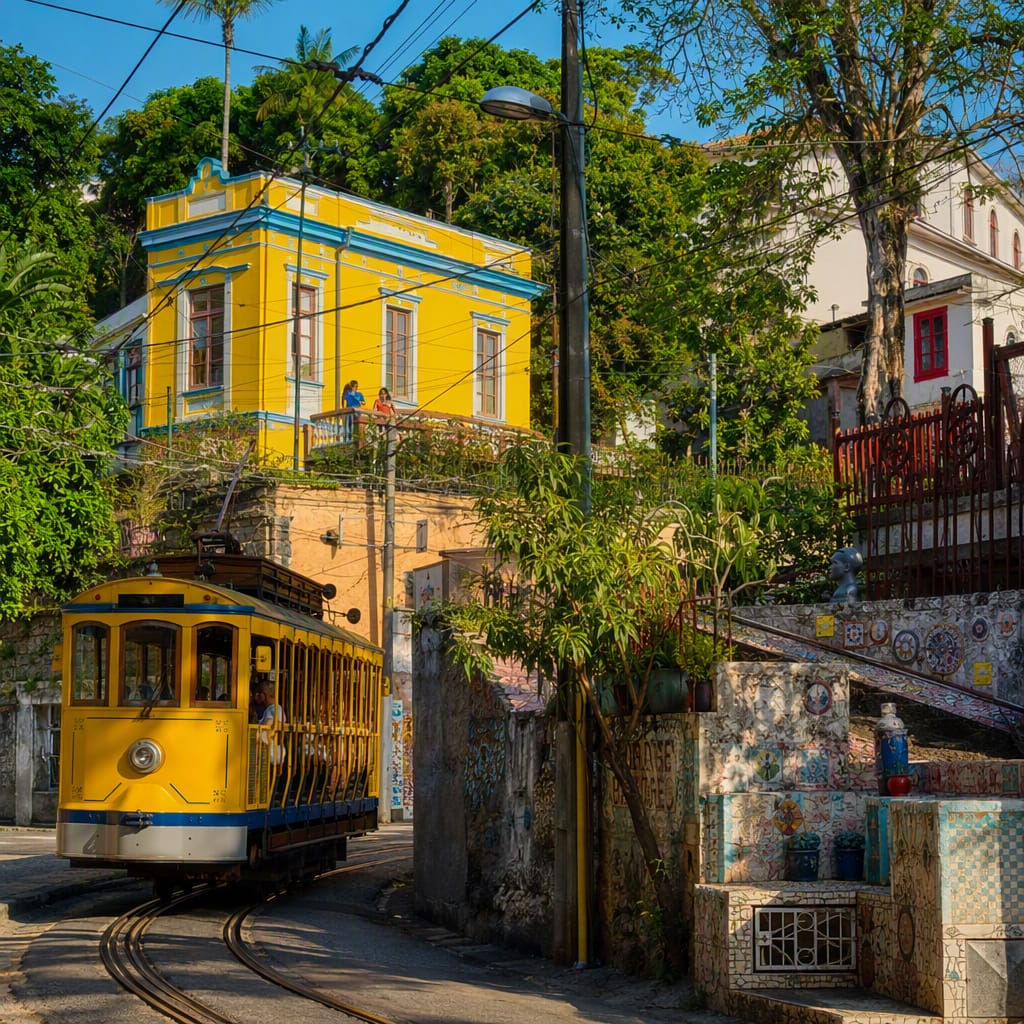 Voyay walking tour
Rails and Villas of Santa Teresa
Follow yellow trams through ateliers, mosaics and hillside architecture
10 stops · 139 min · 3.9 km · Free
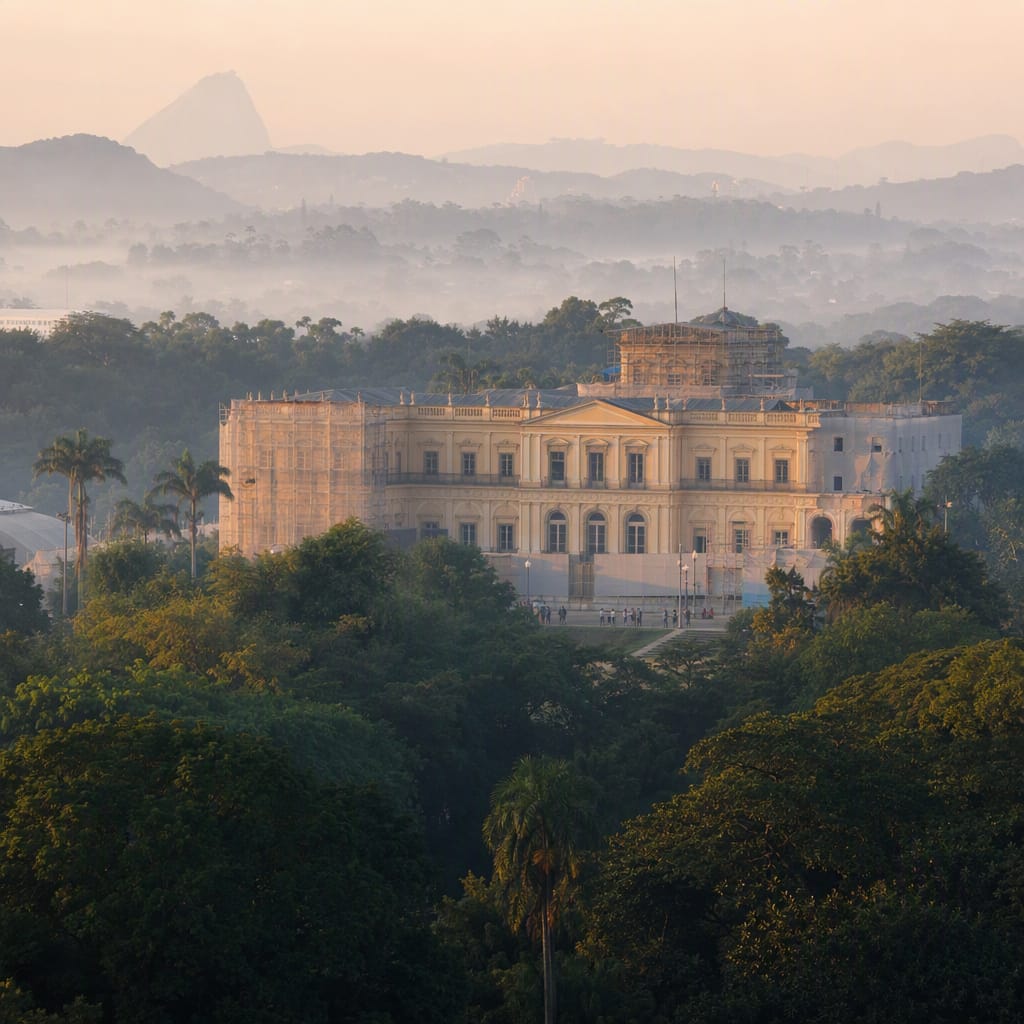 Voyay walking tour
Royal Rio, Memory Rebuilt
Walk from imperial gardens to science, loss, and living culture
12 stops · 181 min · 6.1 km · Free
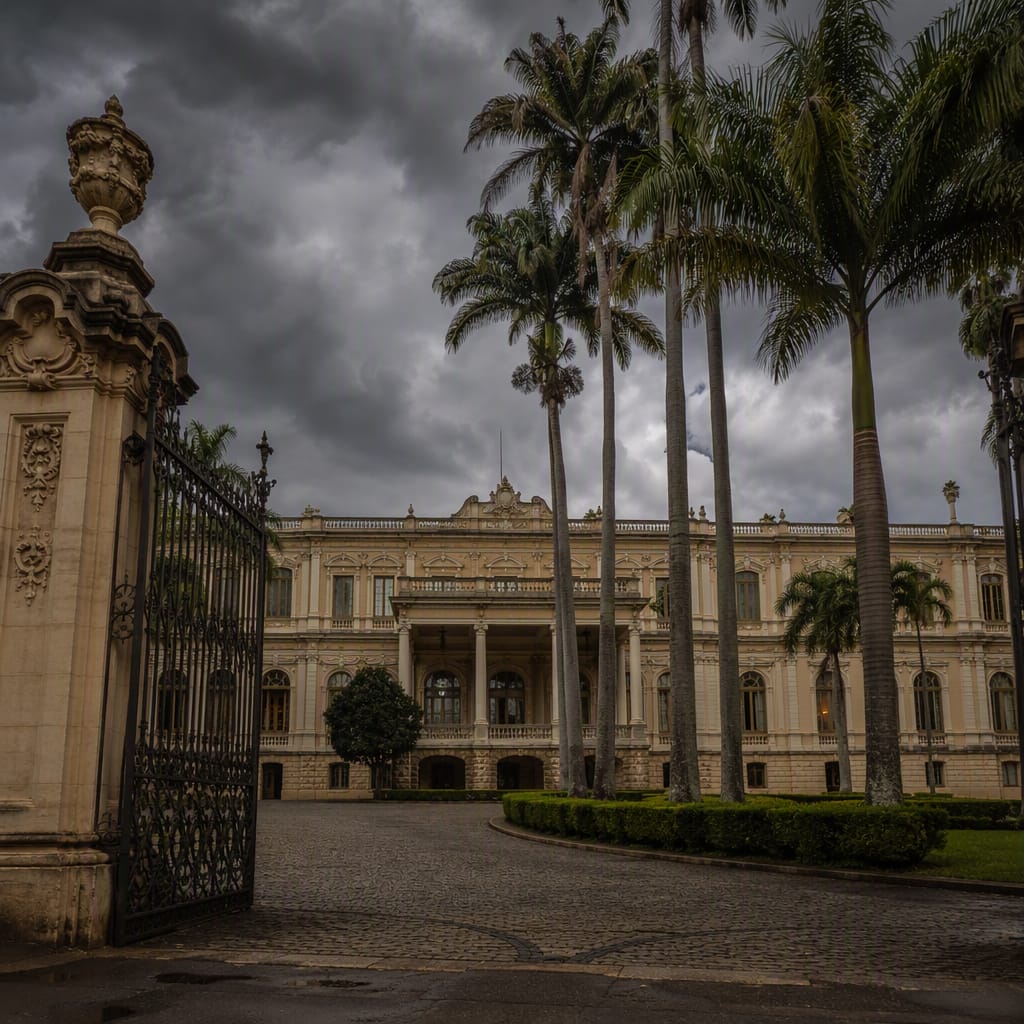 Voyay walking tour
Catete: Palace, Power, and Crisis
Follow Vargas’s final hours through Rio’s former presidential quarter
11 stops · 188 min · 7.1 km · Free