Cape Town’s Corridors of Power
Trace slavery, empire, resistance, and authority through monumental Cape Town
- Cape Town, South Africa
- 12 stops
- 140 min
- 3 km
- History
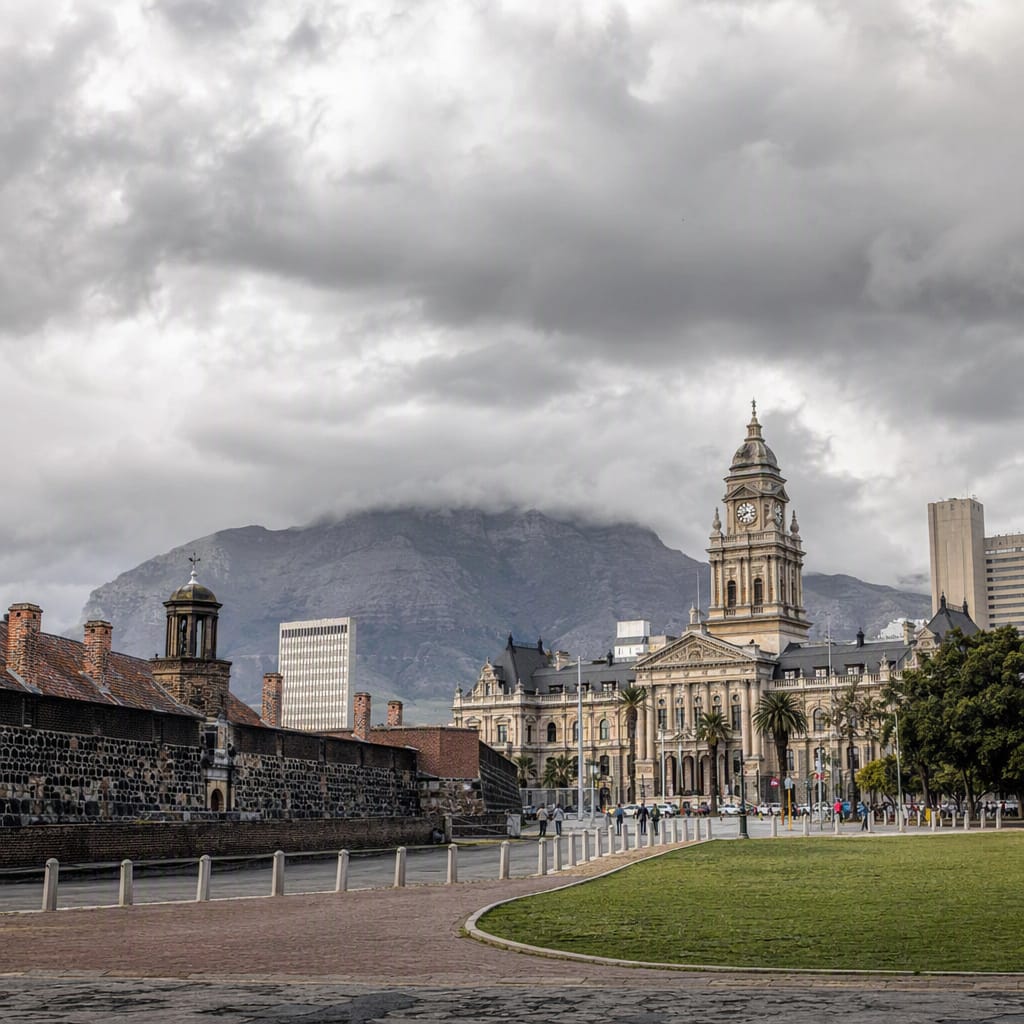
Try the first stop

Castle of Good Hope
A pentagonal VOC fortress where military, commercial, and judicial power converged.
Begin where colonial authority became architecture. Built for the VOC, this fortress combined military defenses with offices, storerooms, cells, workshops, and ceremonial spaces. Walk beneath its guarded gateway and into the resonant courtyard, remembering that enslaved and coerced workers built and sustained this formidable corporate outpost.
The route
12 stops, in order.
- Stop 1 · Free sample
Castle of Good Hope
A pentagonal VOC fortress where military, commercial, and judicial power converged.
 Stop 2
Cape Town City Hall
Edwardian grandeur frames Cape Town’s journey from colonial municipality to democratic stage.
 Stop 3
Grand Parade
A former drill ground transformed from colonial spectacle into democratic gathering place.
- 4Stop 4
Church Square
A quiet memorial restores enslaved people to Cape Town’s colonial center.
 Stop 5
Houses of Parliament
Monumental chambers reveal the stark divide between representation and racial exclusion.
 Stop 6
Queen Victoria Statue
An imperial monarch still presides over a landscape of contested memory.
 Stop 7
Company’s Garden
A former VOC worksite became a ceremonial corridor of state authority.
 Stop 8
St George’s Cathedral
Imperial Gothic architecture became a powerful sanctuary for anti-apartheid resistance.
 Stop 9
Iziko Slave Lodge
Cape Town’s essential slavery museum exposes the human cost of colonial rule.
 Stop 10
Groote Kerk
Cape colonial religion confronts the enslaved labor sustaining its social order.
 Stop 11
Rust en Vreugd
An elegant VOC townhouse reveals the private rewards of colonial office.
 Stop 12
Tuynhuys
Successive regimes inherited this graceful but guarded seat of executive power.
The app guides you from stop to stop with GPS and plays each story when you arrive.
More tours in Cape Town
See all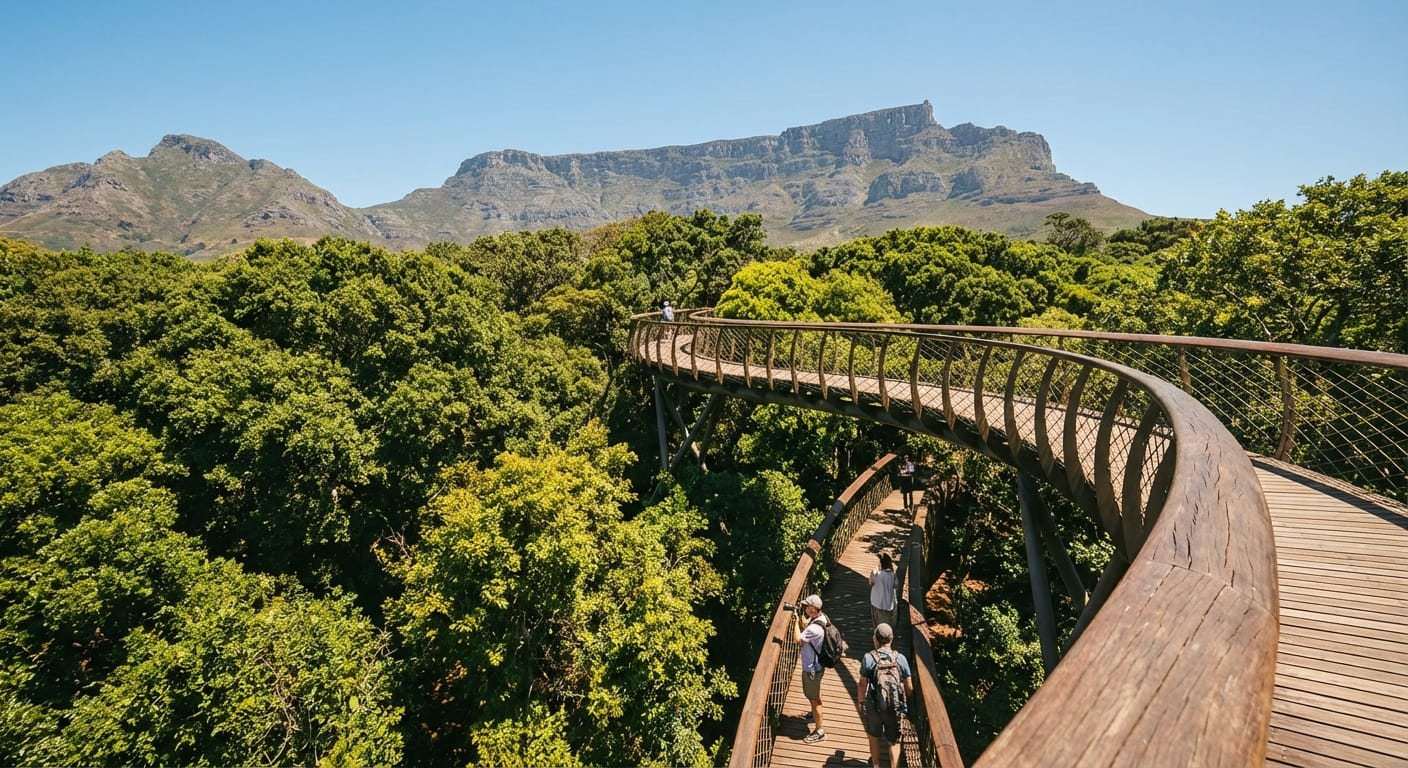 Voyay walking tour
Kirstenbosch: The Cape’s Living Laboratory
Ancient forests, canopy walks, and floral kingdoms.
9 stops · 126 min · 3 km · Free
 Voyay walking tour
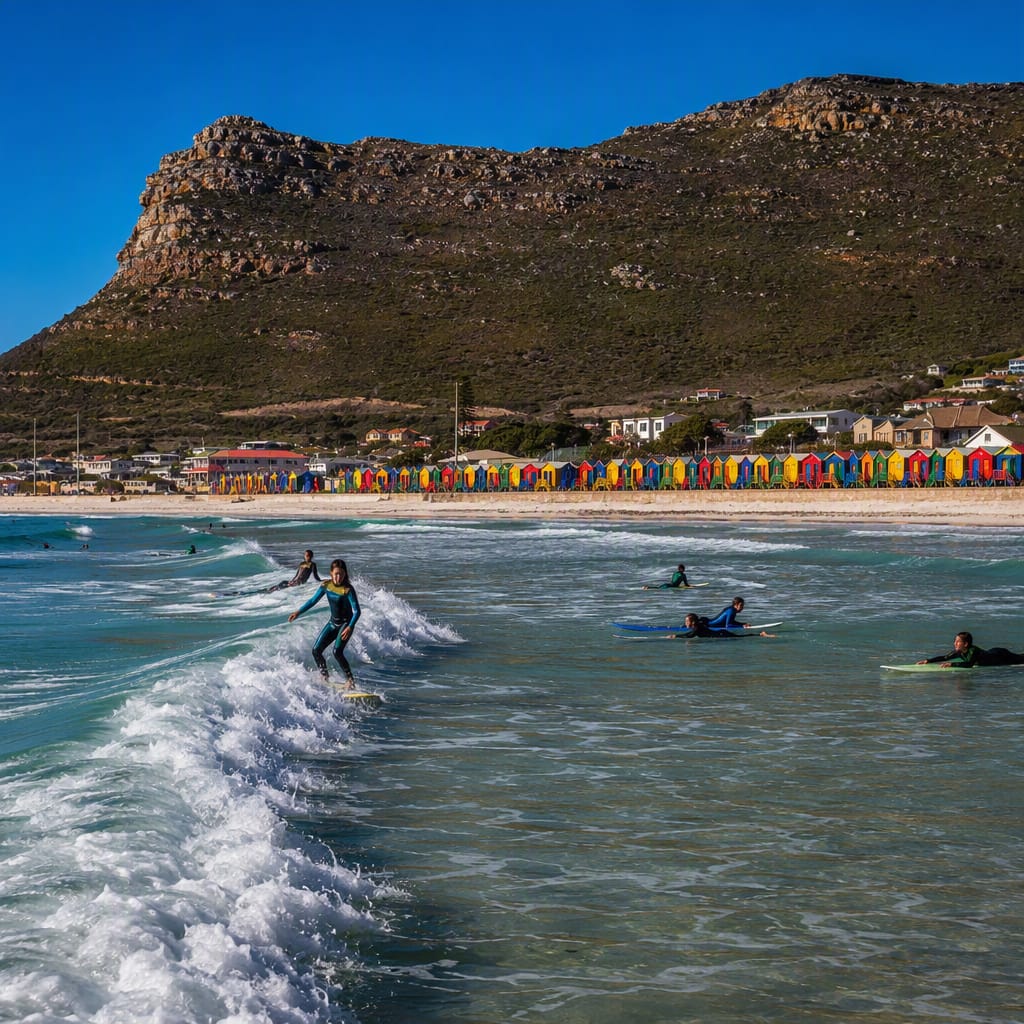
Surf, Rails and Seaside Dreams
Trace Muizenberg’s waves, railway glamour, bathing huts, and bold architecture
12 stops · 126 min · 2.2 km · Free
 Voyay walking tour
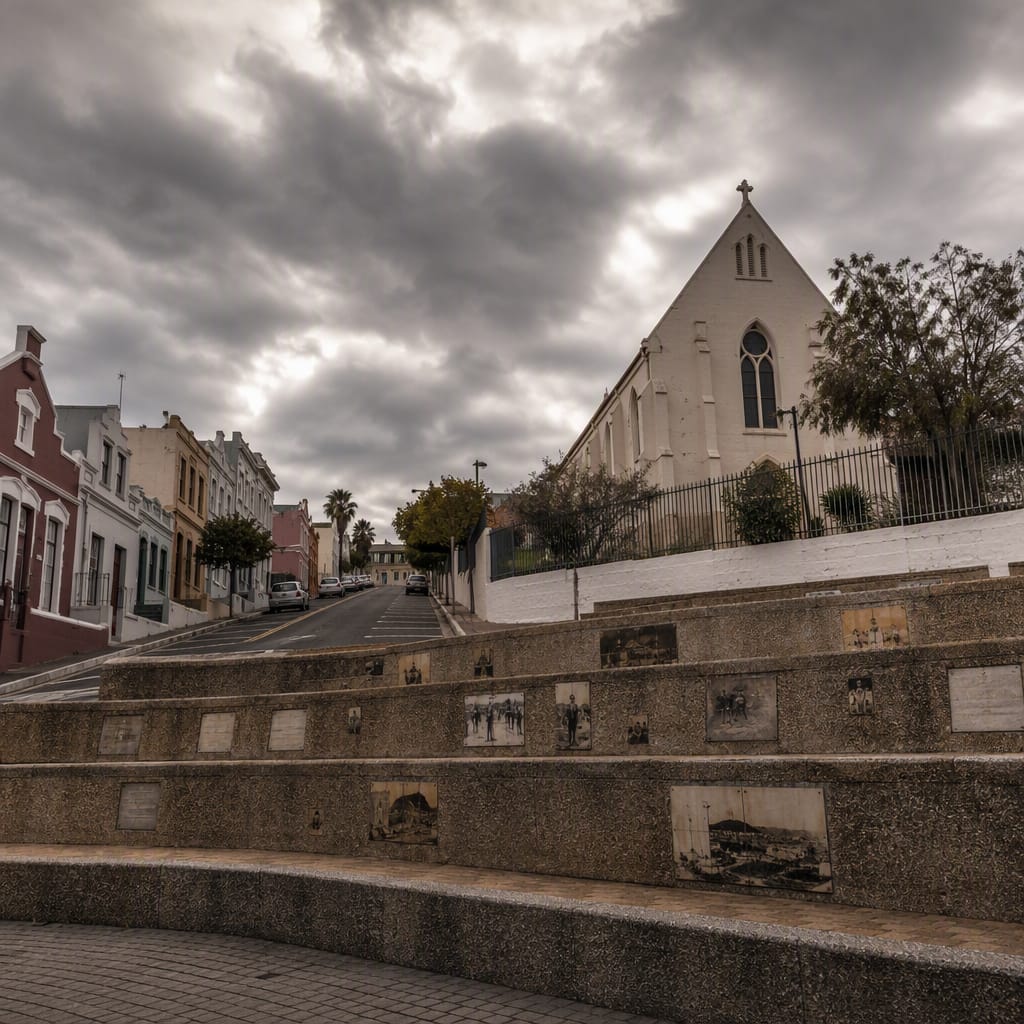
District Six Streets Remember
A walk through surviving landmarks, erased routes, and living memory
11 stops · 250 min · 10.7 km · Free